South Carolina's Economic Landscape: A Balanced View
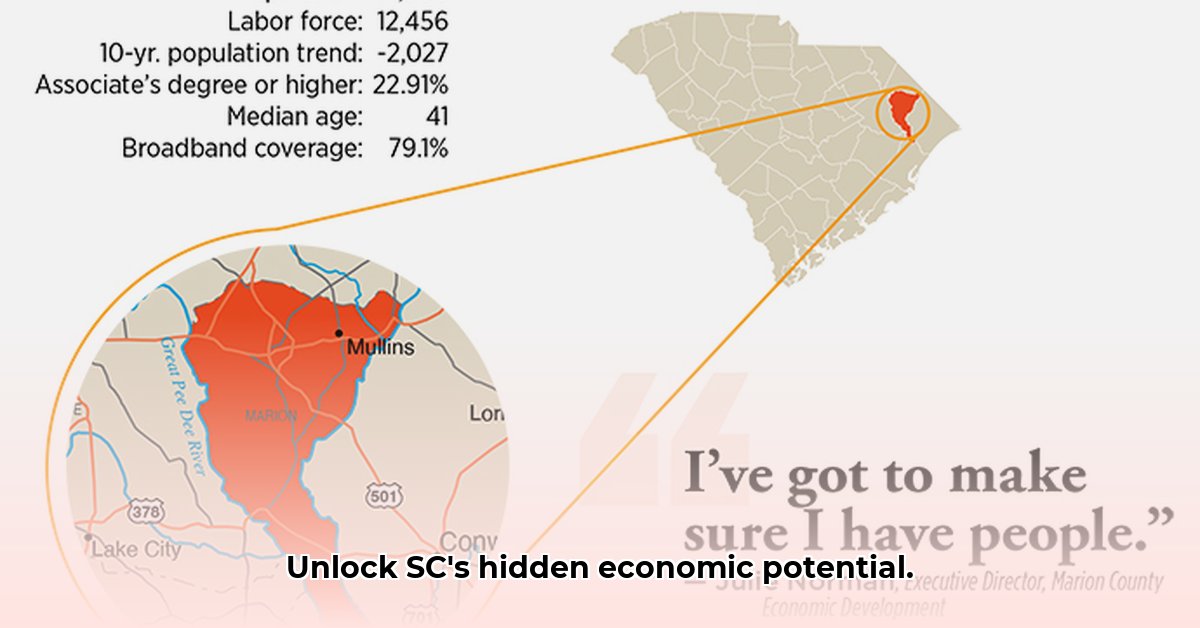
South Carolina's economy presents a mixed picture of growth and disparity. While personal income topped $272.4 billion in early 2022, a robust 1.4% increase, recent employment dips and rising unemployment rates signal underlying economic vulnerabilities. This article delves into the state's economic health, examining regional disparities, opportunities for growth, and key challenges to forge a path toward sustainable and equitable prosperity. We will explore actionable strategies to ensure South Carolina's economic vitality benefits all its citizens. For a visual representation of the state's geography, see this helpful map.
Current Economic Indicators: A Closer Look
South Carolina's economic performance showcases both positive trends and areas demanding attention. While the overall personal income growth is encouraging, a closer inspection reveals nuances. Recent employment figures reveal a slight decrease, alongside a subtle rise in unemployment. This juxtaposition requires deeper investigation into the underlying causes to inform effective policy responses. (Further data visualization, such as charts and graphs depicting personal income growth, unemployment rates, and sector-specific employment trends, would be included here). How can we ensure sustained economic growth while mitigating these fluctuations?
Regional Disparities: Uneven Development Across the State
Significant economic disparities exist across South Carolina. Coastal regions, fueled by tourism and shipping, often experience higher economic activity than inland areas. This uneven distribution of prosperity raises concerns about equitable development. Targeted research into specific counties and municipalities is needed to fully understand these disparities and design effective interventions. For example, [insert specific example of a thriving coastal region] contrasts sharply with [insert specific example of a struggling inland region], highlighting the urgency for strategic, region-specific economic planning.
Opportunities for Growth: Harnessing South Carolina's Strengths
South Carolina possesses considerable untapped potential for economic growth. Its extensive coastline offers remarkable opportunities in tourism, shipping, and renewable energy sectors. The state's existing strengths in manufacturing and agriculture also provide avenues for expansion and diversification. Developing a vibrant green energy sector, for instance, could create numerous high-paying jobs and reduce the state's carbon footprint. Similarly, leveraging the state's agricultural heritage through sustainable farming initiatives could contribute to both economic and environmental sustainability.
Challenges to Overcome: Addressing Economic Headwinds
Several key challenges hinder South Carolina's journey toward sustainable economic growth. Fluctuations in unemployment pose a significant risk, particularly in specific regions. Additionally, a potential shortage of skilled workers across various sectors could constrain future expansion. Addressing these issues is crucial for ensuring equitable prosperity for all citizens. A robust workforce development program addressing specific skill gaps is paramount.
Actionable Strategies for Sustainable Economic Growth
To unlock South Carolina's full economic potential, a multi-pronged approach is vital:
Invest in Targeted Workforce Development: Implement job training programs tailored to emerging industries and regional needs. (Efficacy metric: Aim for a 90% placement rate within six months of program completion).
Implement Data-Driven Regional Planning: Utilize detailed economic data to guide investments in lagging regions, fostering inclusive growth. (Efficacy metric: Target a 5% reduction in regional economic disparity within five years).
Foster Robust Public-Private Partnerships: Encourage collaborations between government agencies, businesses, and community organizations to leverage diverse resources and expertise. (Efficacy metric: Secure 10 major public-private partnerships focused on economic development within two years).
Upgrade Critical Infrastructure: Invest in transportation, broadband access, and other essential infrastructure to support business growth and attract investment. (Efficacy metric: Achieve 98% broadband access across the state within three years).
Prioritize Sustainable Development Practices: Balance economic development with environmental stewardship to ensure long-term sustainability. (Efficacy metric: Reduce the state's carbon footprint by 15% within a decade).
Conclusion: Mapping a Path to Shared Prosperity
South Carolina’s economic future hinges on proactive strategies that address both opportunities and challenges. By embracing a data-driven approach, fostering public-private partnerships, and prioritizing workforce development, the state can achieve sustainable and equitable growth. This necessitates ongoing monitoring, adaptation, and a commitment to inclusive prosperity for all its citizens. The continuous refinement of South Carolina’s economic development map will be crucial for ensuring a brighter, more prosperous future for the entire state.